
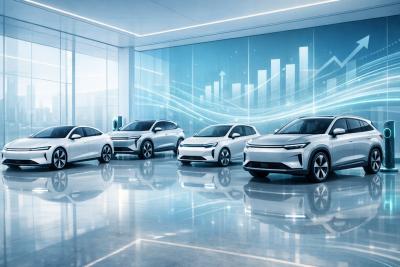
The rise of Chinese automotive brands in the Australian market has been both rapid and strategic. Over the past few years, manufacturers such as BYD, GWM, and Chery have introduced a range of vehicles that appeal to Australian consumers, particularly in the electric and hybrid segments. These brands have focused on offering feature-rich vehicles at competitive price points, aligning with the growing demand for affordable and environmentally friendly transportation options.
Several factors have contributed to this shift in import dynamics. Firstly, the Australian government's introduction of national vehicle efficiency standards (NVES) has incentivised car manufacturers to offer more low-emission vehicles. Chinese automakers have been quick to respond, providing a variety of electric and hybrid models that meet these standards. Additionally, the expansion of charging infrastructure and the availability of government incentives have made electric vehicles more accessible to the average Australian consumer.
Consumer preferences are also evolving. There is an increasing emphasis on sustainability, fuel efficiency, and advanced technology in vehicle selection. Chinese brands have capitalised on this trend by integrating cutting-edge features and eco-friendly technologies into their vehicles, often at a lower cost than their Japanese and European counterparts.
However, this shift is not without challenges. Japanese automakers, long dominant in the Australian market, are now facing intensified competition. To maintain their market share, these companies may need to accelerate their own electric vehicle offerings and reconsider their pricing strategies. Additionally, the influx of Chinese vehicles raises questions about long-term reliability and after-sales service, areas where Japanese brands have traditionally excelled.
For Australian consumers, this development translates to a broader selection of vehicles and potentially more competitive pricing. The increased competition is likely to drive innovation and improvements in vehicle quality and features across the board. Prospective buyers should conduct thorough research, considering factors such as vehicle performance, warranty offerings, and the availability of service centres when making purchasing decisions.
In conclusion, China's emergence as Australia's leading vehicle source in February 2026 signifies a pivotal moment in the nation's automotive landscape. This trend reflects broader global shifts towards electric mobility and the growing influence of Chinese manufacturers in international markets. As the industry continues to evolve, consumers can anticipate a more diverse and dynamic vehicle market in Australia.


