
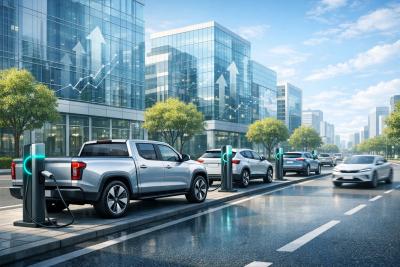
In 2025, the EV market exceeded industry forecasts, growing by 38% from the previous year with a total of 156,958 electric vehicles sold. This surge was primarily fueled by increased buyer choice and cost reductions, particularly in the Medium SUV and Ute segments. Mid-sized SUVs currently represent the majority of EV sales, with segment share jumping from 16% to 27% in just twelve months. This growth is attributed to a significant increase in available models, with 45 options in 2025 compared to 30 in the previous year.
The price gap between electric and internal combustion engine (ICE) vehicles is narrowing rapidly. For instance, the BYD Atto 1 is now priced at A$23,990 plus on-road costs, making it roughly A$27,000 drive-away. This positions it competitively against traditional petrol vehicles like the Toyota Yaris, Mazda 2, or Suzuki Swift. The decreasing upfront costs, combined with savings in fuel, maintenance, and servicing, make EVs an increasingly attractive option for Australian consumers.
Looking ahead, the Medium SUV segment is expected to continue driving the bulk of EV sales in 2026 due to the combination of model variety and nearing price parity. This competitive environment is compelling manufacturers to be more aggressive with their offerings, benefiting consumers with more choices and better value.
Despite this momentum, reaching the Australian Energy Market Operator’s “Slower Growth” target of 240,000 sales in 2026 will be challenging. The Federal Government's stance on Fringe Benefits Tax (FBT) exemptions will play a crucial role in determining whether the market stays on track for the 2035 emissions targets. However, two major industry moves are expected to provide a tailwind: a rapid surge in public charging installations and the accelerated transition of corporate fleets to electric vehicles.
In summary, Australia's EV market is poised for significant growth, with projections indicating that electric vehicles could account for 15% of new car sales by the end of 2026. This growth is underpinned by increased model availability, competitive pricing, and supportive infrastructure developments, signaling a promising future for electric mobility in Australia.


