
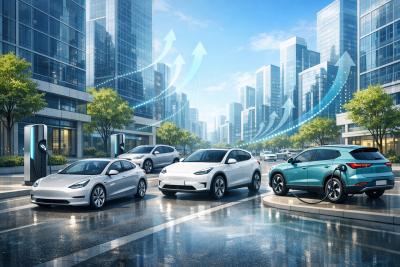
As of June 2023, Australians have purchased 46,624 electric vehicles, more than tripling the number sold during the same period in the previous year. This surge reflects a growing consumer appetite for cleaner and more efficient modes of transport.
The expansion of the EV market is also evident in the increased variety of models available. Currently, there are 91 different electric cars, vans, and utes on offer in Australia, up from 70 last year and just 31 in 2021. Despite this diversity, three models dominate the market, accounting for 68% of new EV purchases: the Tesla Model Y, Tesla Model 3, and BYD Atto 3.
Regional disparities in EV adoption are notable. The Australian Capital Territory (ACT) leads the nation, with electric vehicles comprising 21.8% of new car purchases. This high uptake is largely attributed to substantial government incentives and subsidies aimed at promoting green transportation.
However, challenges remain in the broader adoption of electric vehicles. Rising electricity prices and concerns over the availability of public charging infrastructure continue to be significant barriers. While there has been a 57% increase in ultra-fast charging stations, these facilities are predominantly located in metropolitan areas, leaving regional and rural communities underserved.
Despite these hurdles, the financial benefits of owning an EV are becoming increasingly apparent. Over a five-year period, the total cost of owning an electric vehicle is estimated to be approximately $5,000 less than that of a comparable internal combustion engine vehicle. These savings stem from lower fuel and maintenance costs, making EVs an attractive option for cost-conscious consumers.
In conclusion, the remarkable 120% increase in electric vehicle sales underscores a significant shift in Australian consumer preferences towards sustainable transportation. While challenges persist, particularly in infrastructure and regional accessibility, the overall trajectory suggests a promising future for electric vehicles in Australia.


