All finance quotes are provided free (via our secure server) and without obligation. We respect your privacy.
CAR LOANS
AUSTRALIA
SHARE
Share this news item!
Marinus Link Project Gains Approval Amidst Bill Impact Concerns
Connecting Tasmania and Victoria: A Step Forward in Energy Infrastructure
0
The information on this website is general in nature and does not take into account your objectives, financial situation, or needs. Consider seeking personal advice from a licensed adviser before acting on any information.
The Australian Energy Regulator (AER) has granted approval for the initial stage of the Marinus Link project, a significant development aimed at enhancing the electricity connection between Tasmania and Victoria.
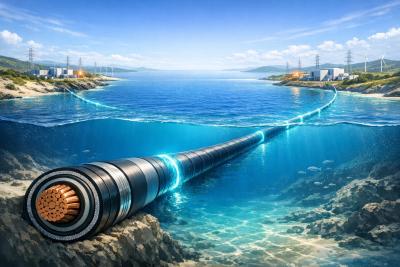
This project encompasses the construction of a 240-kilometre undersea power cable and associated transmission lines, designed to bolster energy security and facilitate the integration of renewable energy sources.
Despite the approval, there remains uncertainty regarding the project's impact on consumer electricity bills. The AER's current estimates suggest a potential reduction of approximately 1% per year for residential customers. However, this projection does not account for ongoing negotiations with the Clean Energy Finance Corporation (CEFC), which could further influence the financial implications for consumers.
Energy Minister Nick Duigan emphasised that the $346 million grant associated with the project is intended to directly benefit consumers by offsetting costs. He highlighted that this investment is expected to result in annual savings of $15 million, contributing to more affordable energy prices in Tasmania.
Independent MLC Ruth Forrest expressed concerns about potential increases in electricity prices due to the substantial investment in energy infrastructure. She noted that the costs associated with such large-scale projects are typically recouped from consumers, which could lead to higher bills.
Construction of the Marinus Link is slated to commence this year. As the project progresses, it is crucial for stakeholders to monitor developments and assess the actual impact on electricity prices. For individuals considering investments in energy-efficient appliances or renewable energy solutions, staying informed about such infrastructure projects can aid in making cost-effective decisions.
Please Note: We do not endorse any specific products or companies. Some content is sourced from third parties, including press releases, and may not be independently verified for accuracy or completeness.
The Reserve Bank of Australia (RBA) has raised the official cash rate by 25 basis points to 4.35% during its May 2026 meeting. This marks the third consecutive rate hike this year, following increases in February and March. The decision aims to address persistent inflationary pressures within the Australian economy. - read more
Following the Reserve Bank of Australia's (RBA) decision to raise the cash rate to 4.35% on May 5, 2026, Australia's major banks have announced they will pass on the full 0.25% increase to their customers. This move affects both variable home loan rates and savings accounts. - read more
Welcome to Car Loans Australia, a proud member of the Financial Services Online network. Owned and operated by Clark Family Pty Ltd, A.C.N. 010 281 008, we are dedicated to helping Australian individuals and businesses find the best financial products, services, information, and advice available online.
calculatorWidget
knowledgeBaseWidget
Our Commitment
At Car Loans Australia, we do not endorse specific financial products or offer financial advice. Instead, we connect you with specialist financiers, insurers, or other financial advisors who can provide expert guidance based on your unique circumstances. Please note that Car Loans Australia may receive a fee or commission for these referrals.
Information and Guidance
The financial information on our website, including articles and news items, is intended for general informational purposes only. It should not be considered a substitute for professional advice. We strongly recommend consulting a qualified, licensed financial advisor to discuss your specific situation before making any financial decisions.
Connecting You with the Right Solutions
Our primary role is to facilitate connections between you and the right financial resources. Whether you need a specialized financier or an expert advisor, we aim to introduce you to professionals who can help you achieve your financial goals.
Contact Us
We are here to assist you with any questions or further information you may need. Please feel free to reach out to Car Loans Australia for assistance.




No comments yet. Be the first to share your thoughts.