
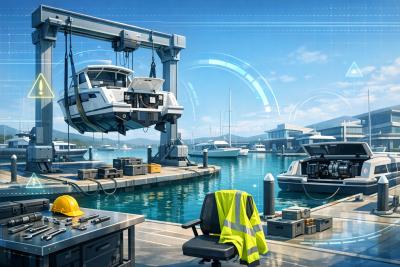
The marine sector is a substantial contributor to the Australian economy, generating an annual turnover exceeding $10.2 billion and employing approximately 35,000 individuals across more than 2,000 businesses. These enterprises encompass a wide range of activities, including design, manufacturing, retail, marina operations, and various trades. The current workforce shortages pose a direct threat to the industry's prosperity and sustainability.
BIA CEO Andrew Fielding emphasised the urgency of addressing these challenges, stating that the survey results underscore the need for targeted investment in workforce development, education, and vocational training. He noted that the shortages are not merely administrative issues but are directly impacting the financial health of businesses, many of which are small family-owned operations. Over half of the industry is experiencing direct revenue losses, and nearly half are losing valued customers due to the inability to meet demand.
Boating is an integral part of Australian culture, with nearly one in five households owning a watercraft and over five million people engaging in boating activities each year. The inability of businesses to build and service vessels effectively has a ripple effect, impacting the lifestyle of millions of Australians who cherish their time on the water.
The survey provides a stark depiction of the immediate challenges facing marine employers:
- 90.1% of businesses express concern over the lack of skilled labour.
- 88.4% are anxious about the widening shortage of apprentices.
- 52.1% are experiencing an immediate, direct loss of revenue.
Addressing these workforce shortages is imperative for the continued growth and success of the Australian marine industry. Collaborative efforts between industry stakeholders, educational institutions, and government bodies are essential to develop and implement effective strategies for workforce development. This includes investing in education and training programs tailored to the needs of the marine sector, promoting apprenticeships, and creating pathways for individuals to enter and advance within the industry.
By proactively tackling these challenges, the marine industry can ensure its resilience and continue to thrive, maintaining its vital role in the Australian economy and preserving the cherished boating lifestyle for future generations.



No comments yet. Be the first to share your thoughts.