
Several factors have contributed to this surge in EV adoption. Improved supply chains have made a wider variety of electric models available to buyers, addressing previous concerns about limited options. Additionally, escalating fuel prices have prompted consumers to seek more cost-effective alternatives, with EVs offering lower running costs compared to traditional petrol-powered vehicles.
Government incentives have also played a pivotal role in this trend. The Electric Car Discount, introduced to make EVs more accessible, has provided financial relief to buyers, further encouraging the transition to electric mobility. Tony Weber, Chief Executive of the Federal Chamber of Automotive Industries (FCAI), highlighted the impact of these incentives, stating that the combination of increased model availability and policy support is driving stronger demand for EVs.
The rise in EV sales has also influenced the competitive landscape of the automotive market. Chinese manufacturer BYD emerged as the second highest-selling brand in April, capturing 8.3% of the market share. This reflects the growing presence and acceptance of new entrants in the Australian automotive sector, particularly those offering affordable electric models.
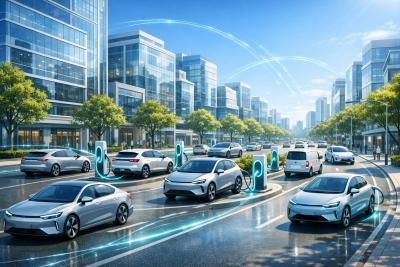
Despite this progress, challenges remain. The rapid increase in EV adoption necessitates a corresponding expansion in charging infrastructure to support the growing number of electric vehicles on the road. Industry leaders have called for increased investment in both public and private charging facilities to ensure that infrastructure development keeps pace with consumer demand.
In summary, the record 16.4% market share for electric vehicles in April 2026 signifies a pivotal moment in Australia's automotive industry. Driven by improved vehicle availability, rising fuel costs, and supportive government policies, Australians are increasingly embracing electric vehicles as a viable and sustainable transportation option. Continued investment in infrastructure and policy support will be essential to maintain this momentum and facilitate a smooth transition to a more sustainable automotive future.



No comments yet. Be the first to share your thoughts.