
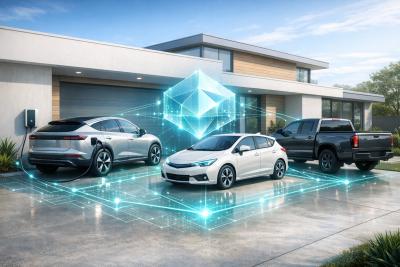
The shift matters because the type of vehicle being purchased can influence the loan products available, the rate a borrower may qualify for, and the way repayments should be assessed over the full term. Many lenders now separate eligible low-emission cars from standard petrol and diesel vehicles, with some offering green loan discounts or specific electric vehicle finance products. That can make an EV or plug-in hybrid more competitive than its sticker price first suggests, particularly when fuel and servicing costs are factored into the household budget.
May’s figures also show how quickly brand competition is changing. Toyota remained the leading brand, but BYD’s rise into the upper ranks highlights how newer manufacturers are reshaping buyer expectations around price, technology and warranty coverage. For borrowers, this makes due diligence more important. A sharp drive-away offer is useful, but finance should still be assessed on the comparison rate, fees, loan term, balloon payment conditions and the likely resale value of the vehicle.
The timing is especially important because borrowing costs remain a central concern for households. With average variable car loan rates still elevated compared with the ultra-low-rate years, a difference of even one percentage point can add up over a five or seven-year loan. Buyers considering an electrified vehicle should compare finance options before committing to dealership finance, particularly where a promotional rate is tied to a specific model, deposit size or loan structure.
This is also a reminder that lower running costs do not automatically mean a loan is affordable. A higher purchase price, insurance premium, charging setup or balloon payment can offset some of the savings. Before signing, buyers should model repayments across several scenarios, including shorter and longer loan terms, with and without a balloon payment, and with a realistic allowance for registration, insurance and charging or fuel costs.
The broader takeaway is clear: electrified vehicles are no longer a fringe consideration in Australia’s car market. They are changing lender products, buyer behaviour and the questions borrowers need to ask. For anyone planning a car purchase in the second half of 2026, the smartest approach is to treat the vehicle choice and finance choice as one decision, not two separate transactions.



No comments yet. Be the first to share your thoughts.