
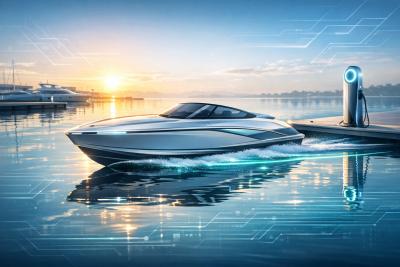
For Australian buyers, that shift matters because the buying decision is becoming broader than the sticker price of the boat. A petrol or diesel-powered vessel is often assessed around horsepower, fuel burn, servicing, range and resale. Electric and hybrid models add new questions: where will the boat be charged, how will batteries be maintained, what warranties apply, how much onboard energy is needed, and whether the vessel’s design was built around electrification rather than simply adapted to it.
The most important takeaway is that electric boats may create a different finance conversation. Upfront costs can be higher, particularly where batteries, charging systems and integrated digital controls are involved. However, lower maintenance requirements, reduced fuel exposure and quieter operation may improve the long-term ownership case for the right user. That makes total cost of ownership more important than headline price.
This is especially relevant for commercial operators, marinas, tourism fleets and regular-use private owners. A boat that operates on predictable routes, returns to the same berth and has reliable charging access is likely to be easier to assess than a vessel used for long, remote or highly variable trips. In practical terms, the strongest early electric use cases may come from workboats, harbour craft, ferries, patrol vessels and high-frequency leisure operations.
For recreational buyers, the message is not to rush or dismiss the technology. Instead, it is to compare usage patterns carefully. Before committing, buyers should consider:
- typical trip distance, speed and reserve range requirements;
- charging availability at home, marina or destination points;
- battery warranty terms and future replacement assumptions;
- servicing support and technician availability in Australia;
- insurance, resale and upgrade considerations;
- the impact of higher purchase price on loan size and repayments.
That last point is where planning becomes crucial. Electric boating may suit many Australian buyers, but it rewards disciplined budgeting. Modelling repayments against realistic ownership costs can help separate a compelling innovation from an overextended purchase.
The broader trend also supports a more informed approach to comparing finance options. As electric and hybrid vessels become more visible, lenders, brokers and buyers will need to consider not just the boat itself, but the infrastructure and usage profile behind it. The future of boating may be cleaner and smarter, but the best purchases will still be grounded in careful finance planning.



No comments yet. Be the first to share your thoughts.