
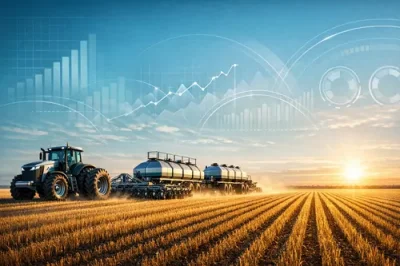
The finance question, however, is becoming more complex. A modern seeding package is rarely just one machine. It may involve the bar, cart, section control, guidance integration, liquid systems, hydraulic upgrades and, in some cases, a larger tractor to pull the setup effectively. That means the real capital requirement can be much higher than the headline price of the seeder itself.
For Australian farmers, the key is to look beyond capacity and ask whether the machine will genuinely improve whole-farm profitability. A wider system may reduce the number of sowing days, but it can also increase fuel use, maintenance exposure, storage needs and transport constraints. If the farm is split across multiple blocks, road width and paddock access can be just as important as hectares per hour.
This is where structured farm equipment finance planning matters. Before committing, growers should model repayments under different crop income and interest rate scenarios. Seasonal repayment options may help align commitments with grain sales, while a balloon payment can reduce regular repayments but leaves a larger final obligation to manage. Trade-in values should also be treated conservatively, particularly if the used machinery market continues to normalise.
There are several practical questions worth testing before signing an order:
- Will the seeding system reduce contractor costs, labour pressure or machinery hours elsewhere?
- Does the existing tractor have enough horsepower, hydraulics and ballast for the proposed setup?
- Can the farm's cash flow support repayments in a weaker yield or price year?
- Are parts, servicing and dealer support available within the critical sowing period?
- Will precision features deliver measurable input savings, or mainly operational convenience?
The decision also sits alongside earlier upgrade themes affecting the sector, including the softer used machinery market. If second-hand values are easing, there may be opportunities to buy well, but also a need to be realistic about the value of traded equipment.
For growers preparing for the next sowing season, the best outcome is not necessarily the biggest machine. It is the finance structure and equipment specification that fit the farm's scale, seasonal income cycle and long-term productivity goals.



No comments yet. Be the first to share your thoughts.