
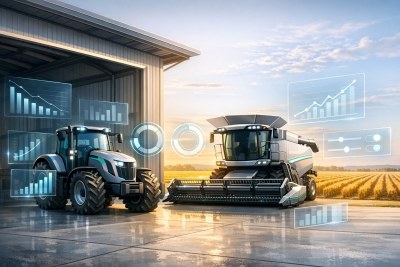
When tractor, header, seeder or spraying equipment decisions slow down, it often reflects a broader reassessment of cash flow, seasonal risk and borrowing appetite. Even where seasonal conditions are improving, producers are still weighing higher repair costs, labour constraints, freight expenses and interest costs against the productivity gains that newer machinery can deliver.
The key issue for farm businesses is timing. Machinery upgrades are usually justified by efficiency, reliability and capacity, but repayments begin well before the full benefit is always realised. A new piece of equipment may reduce downtime, improve fuel use or support a larger cropping program, yet the finance structure still needs to match the farm’s income cycle. Monthly repayments may suit some enterprises, while seasonal or interest-only arrangements may be more appropriate where revenue is concentrated after harvest or livestock sales.
This is where farmers should avoid looking at the purchase price in isolation. Trade-in value, deposit size, residual or balloon payments, term length, GST treatment, servicing costs and insurance can all change the real cost of ownership. Before signing an order, it is worth taking time to model repayments under more than one interest rate scenario, particularly if the business is already carrying land, livestock or working capital debt.
A softer machinery market may also create opportunities. Dealers may be more willing to negotiate on certain models, and good second-hand equipment can be attractive where the numbers stack up. However, cheaper does not always mean better if repairs, parts availability or downtime undermine the saving. The right decision is the one that supports production without putting too much pressure on operating cash.
For borrowers, lender appetite can vary significantly depending on the asset, age of equipment, deposit, security position and recent financial performance. Farms with irregular income or expansion plans may benefit from specialist finance support to compare structures across lenders rather than accepting a one-size-fits-all repayment schedule.
The broader lesson is that equipment finance should be treated as part of the farm’s whole funding plan, not a standalone transaction. In an environment shaped by input cost pressure and shifting confidence, disciplined machinery finance can help producers invest for productivity while preserving the flexibility needed for the next season.



No comments yet. Be the first to share your thoughts.