
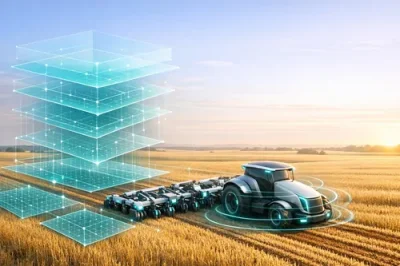
The finance implications are significant. A conventional tractor, sprayer, seeder or support vehicle can often be assessed around horsepower, hours, condition, resale value and seasonal workload. With autonomous platforms and robotic implements, the value equation becomes broader. Farmers may need to consider subscriptions, updates, calibration, connectivity, operator training, dealer support and compatibility with existing machinery fleets.
This is especially important for businesses already weighing labour shortages, narrow spray or sowing windows, and pressure to lift productivity without increasing permanent staffing. Autonomous capability may help reduce repetitive work, extend operating windows and improve task consistency. However, the upfront cost can be substantial, and the benefits may arrive gradually rather than immediately.
That makes cash-flow planning central. Before committing to a high-tech machine or retrofit package, growers should test several scenarios: conservative utilisation, expected seasonal savings, possible downtime, maintenance requirements and residual value at the end of the term. Modelling repayments can help show whether the purchase still works if seasonal income is delayed, input costs rise or adoption takes longer than expected.
There is also a strategic question around ownership. Some farms may prefer to buy and keep the technology for many seasons, particularly where it fits a repeatable enterprise such as broadacre cropping, horticulture or controlled traffic systems. Others may consider leasing, staged upgrades or financing a smaller first unit before committing to a larger fleet. The best structure will depend on how quickly the technology is expected to change and how confident the farm is in capturing measurable productivity gains.
This story also extends earlier interest in precision spraying, where growers have already been assessing whether more accurate equipment can reduce waste and improve operating efficiency. Autonomy adds another layer: the machine may not only apply, seed, cultivate or monitor more precisely, but may also change how labour and timing are managed across the whole farm.
For farm businesses, the key takeaway is not to rush into robotics for its own sake. The stronger approach is to treat autonomous machinery as a whole-of-business investment, with finance terms aligned to seasonal income, realistic usage assumptions and a clear plan for support, training and integration.



No comments yet. Be the first to share your thoughts.