
SHARE

Share this news item!

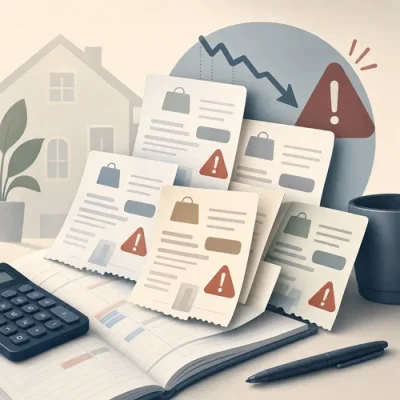
Why Buy Now Pay Later Can Become a Debt Stress Signal

Small repayments can still add up when household budgets are already tight

Why Buy Now Pay Later Can Become a Debt Stress Signal?w=400

The information on this website is general in nature and does not take into account your objectives, financial situation, or needs. Consider seeking personal advice from a licensed adviser before acting on any information.

Recent consumer finance reporting has put buy now pay later back in the spotlight, with more Australians appearing to use short-term credit to manage everyday costs such as groceries, utilities, fuel and household essentials.
On the surface, splitting a purchase into smaller instalments can feel manageable.
The concern is what happens when several small commitments land at the same time as rent, mortgage payments, credit card minimums, car finance and personal loan repayments.

For households already under pressure, BNPL can blur the real cost of spending. Because repayments are often broken into smaller amounts, it is easy to underestimate how much of next month’s income has already been promised. Missed payments may also attract fees, reduce cash available for priority bills and make it harder to stay on top of other debts.

This is an extension of the broader credit card debt pressure many Australians have been feeling. The product may be different, but the pattern is familiar: living costs rise, income does not stretch as far, and credit becomes a buffer. That buffer can help in an emergency, but it can also delay the moment when a household reviews the full picture.

A practical first step is to list every repayment due over the next four to six weeks, including BNPL instalments, card minimums, loan repayments, overdue bills and direct debits. Then compare that total with expected take-home pay after essentials. If the numbers do not leave room for food, transport and utilities, the issue is not just one purchase; it is a cash-flow gap that needs attention.

Debt consolidation may help some borrowers, particularly where several higher-interest debts can be brought into one structured repayment. It is not a cure-all, and it should not be used to create space for new spending. The key question is whether a new loan would reduce complexity, improve affordability and lower the overall cost without stretching the debt over an unnecessarily long term.

Before applying, borrowers should compare balances, interest rates, fees, repayment dates and remaining terms. It can also be useful to estimate the real cost of keeping existing debts versus consolidating them. This helps reveal whether a lower monthly repayment comes from a better rate, a longer loan term, or both.

If repayments are already being missed, contact lenders early and ask about hardship support before arrears escalate. Australians should also be cautious about taking on more short-term credit to cover old repayments. When BNPL, cards and personal loans start overlapping, getting organised quickly can protect your budget, reduce stress and support better long-term debt decisions.

Published:Tuesday, 25th Aug 2026
Author: Paige Estritori

Please Note: We do not endorse any specific products or companies. Some content is sourced from third parties, including press releases, and may not be independently verified for accuracy or completeness.

Share this news item:

Rate this article

0 Comments

No comments yet. Be the first to share your thoughts.

Finance News

Used Boat Interest Builds as Spring Buying Season Nears
27 Aug 2026: Paige Estritori
Australia's used boat market is moving back into sharper focus as the spring boating season approaches, with marine classifieds and dealer activity again putting late-model trailer boats, fishing rigs, family runabouts, personal watercraft and cruisers in front of motivated buyers. For households that have spent winter researching models, the next few weeks may bring more inspection opportunities, but also more pressure to act quickly when a suitable vessel appears. - read more
Why rising investor loan demand matters for borrowers
27 Aug 2026: Paige Estritori
The latest home lending indicators point to a property finance market that is still moving, even with borrowers facing high living costs and careful lender scrutiny. Investor activity has been one of the stronger parts of the market, adding another layer of competition for owner-occupiers and first-home buyers trying to secure finance. - read more
