
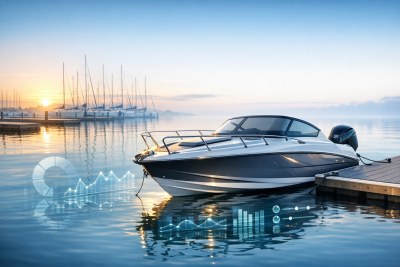
For used boat buyers, the advertised interest rate is only one part of the decision. Some lenders may treat older boats differently, require additional documentation, or place limits around acceptable asset age. Others may offer secured or unsecured loan pathways, each with different implications for pricing, approval assessment and flexibility. That makes it important to compare finance options in the context of the exact vessel being purchased, not just the borrower’s preferred repayment term.
This matters because Australia’s second-hand boat market remains attractive to buyers who want value, immediate availability or a model that is no longer easy to source new. A well-maintained used runabout, fishing boat, cruiser or trailerable model can be a sensible purchase, but the total finance picture should include inspection costs, registration, insurance, safety gear, storage and likely maintenance. A lower purchase price can still become expensive if the boat needs upgrades soon after settlement.
Borrowers should also pay close attention to comparison rates, establishment fees, early payout rules and whether extra repayments are allowed without penalty. A loan that appears cheaper at first glance may be less suitable if it limits flexibility or adds costs over time. Before making an offer, it can help to model repayments across several deposit amounts, interest rates and loan terms so the budget is tested under more than one scenario.
Approval preparation is another key step. Lenders commonly assess income stability, existing debts, credit history, the amount being borrowed and the suitability of the asset. Buyers who have recent payslips, identification, bank statements and boat details ready may find the process easier to navigate. For private sales, extra care may be needed around ownership checks, condition reports and proof of value.
The broader takeaway is not that used boats are harder to finance, but that they reward preparation. By looking beyond the headline rate and assessing the vessel, loan structure and ownership costs together, buyers can approach the purchase with greater confidence and reduce the chance of repayment stress once the boat is already in the driveway or marina.



No comments yet. Be the first to share your thoughts.