
SHARE

Share this news item!

Low-Emission Cars Are Reshaping Finance Choices

Rate discounts can help, but eligibility and total loan cost still matter

Low-Emission Cars Are Reshaping Finance Choices?w=400

The information on this website is general in nature and does not take into account your objectives, financial situation, or needs. Consider seeking personal advice from a licensed adviser before acting on any information.

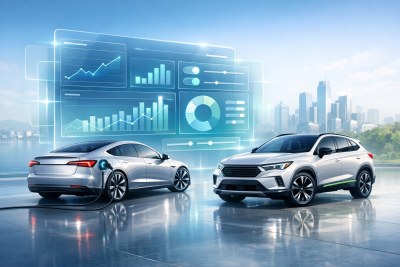
Green car loan discounts are becoming a more important part of the vehicle finance conversation as Australian buyers weigh up electric vehicles, plug-in hybrids and fuel-efficient models.
Recent comparison market updates show that some lenders continue to position lower-emission vehicles as a preferred segment, with sharper advertised rates or tailored products for eligible cars.

For households and small businesses, this is a useful development, but it should not be read as a guaranteed saving. Green loan eligibility can vary widely. A lender may consider the vehicle’s powertrain, emissions rating, age, purchase source, security value and whether the loan is for personal or business use. Some offers are limited to new or near-new vehicles, while others may exclude certain hybrids or older used models.

This trend extends the earlier market momentum around hybrids and EVs. As more Australians compare running costs alongside purchase prices, finance is becoming part of the broader ownership calculation. A lower interest rate may help offset a higher upfront price, but it is only one line in the budget. Insurance, charging access, servicing, registration, tyres, depreciation and potential battery considerations still need to be factored in.

The key lesson is to compare the full loan structure, not just the green label. A low advertised rate may look appealing, but establishment fees, monthly account fees, comparison rates, loan term, balloon payments and early payout conditions can change the real cost. Borrowers should also consider how much deposit or trade-in value they can contribute, because reducing the amount financed can sometimes have a bigger impact than chasing a small rate difference.

For business buyers, the decision can be even more layered. A low-emission ute, van or passenger vehicle may support brand, tax and fuel-efficiency goals, but the loan structure must still suit cash flow. Commercial car loans may involve different documentation and assessment standards, particularly for self-employed applicants or businesses with seasonal income.

Before signing, buyers should model repayments across several scenarios. Testing a shorter term, larger deposit, different rate or balloon amount can show whether the discounted finance genuinely improves affordability. Green car loans can be a smart opportunity, but the best outcome still comes from matching the vehicle, lender criteria and repayment plan to the borrower’s real financial position.

Published:Thursday, 3rd Sep 2026
Author: Paige Estritori

Please Note: We do not endorse any specific products or companies. Some content is sourced from third parties, including press releases, and may not be independently verified for accuracy or completeness.

Share this news item:

Rate this article

0 Comments

No comments yet. Be the first to share your thoughts.

Finance News

Spring Boating Push Puts Safety and Finance Planning Together
03 Sep 2026: Paige Estritori
Spring is shifting Australia’s boating market into a more active phase, with warmer weekends likely to bring more inspections, test runs and conversations with dealers and private sellers. Alongside that renewed interest, seasonal safety reminders are also becoming more important for anyone preparing to buy, upgrade or return a vessel to regular use. - read more
Why refinancing is back on the borrower checklist
03 Sep 2026: Paige Estritori
Refinancing is moving back into focus for Australian borrowers as households and small businesses look for ways to regain control over higher repayment commitments. Recent lending market updates suggest more borrowers are no longer simply waiting for broad interest rate relief; they are actively reviewing whether their existing loan still fits their income, expenses and longer-term plans. - read more
