

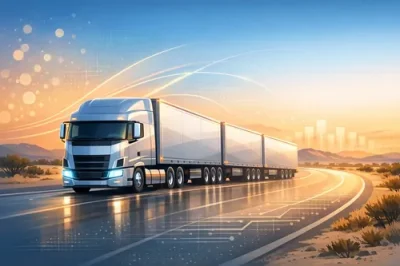
For large road train operators, the numbers are not transformational, but they are still meaningful in a tight-margin industry. Industry reporting puts the estimated saving at about $465 a year for a three-trailer road train and about $429 for a two-trailer combination. Smaller rigid truck savings are far lower, at around $18 for a two-axle rigid and $39 for a three-axle rigid, which shows how uneven the impact will be across different vehicle types and business models.
The announcement matters because registration is only one line in a broader operating cost stack. Fuel, tyres, insurance, maintenance, wages, compliance, finance costs and downtime all compete for cash flow. In the NT, long distances and remote work can make those costs more volatile than in metropolitan freight, especially where road trains are carrying essential goods across sparsely serviced routes. A frozen fee does not remove that pressure, but it can prevent one predictable increase from landing at the same time as other rising costs.
For operators planning their next vehicle purchase, the practical lesson is not to treat the saving as spare money. It is better viewed as a planning input. When modelling truck loan repayments, businesses may wish to test scenarios that include registration, fuel assumptions, insurance renewal risk and maintenance reserves, rather than looking only at the purchase price and interest rate.
The freeze also highlights a broader finance point: government charges can change during the life of a truck loan, even when the repayment itself is fixed. A five-year finance term may run through multiple budgets, fuel cycles and regulatory changes. That makes it important to leave room for cost movement rather than building a repayment plan around the most optimistic operating-cost forecast.
There are limits to the announcement. It is Territory-specific, time-limited and does not directly reduce debt, interest rates or vehicle prices. Operators outside the NT will not receive the same benefit, and even NT businesses will still need to manage the larger cost pressures affecting freight. Still, for road train fleets and owner-drivers working in remote supply chains, the freeze is a reminder that small changes to fixed costs can influence cash flow confidence and the timing of future equipment decisions.



No comments yet. Be the first to share your thoughts.