

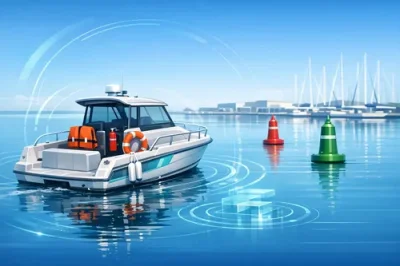
The first fee-paying students started the practical element on 17 October 2026. According to Marine Rescue NSW material published by Marine Business News, the pilot builds on theory-based training already delivered under the Transport for NSW maritime training framework, with 178 people completing general boat and personal watercraft licence courses through the service in the last financial year. The practical sessions are being run in small groups, using a 4.6-metre training vessel, and will generally be offered monthly during the pilot.
For buyers comparing a first boat or an upgrade, the development matters because licensing and training sit within the broader ownership budget. The reported course costs are $180 for the practical component, with theory-only training listed at $145 for participants aged 12 to 15 and $165 for those aged 16 and over. Those figures are modest compared with a vessel purchase, but they illustrate a wider point: responsible boat planning includes more than the advertised hull price, engine package or trailer.
Training can also influence how owners think about preventable costs. The course material is expected to cover topics such as narrow-channel navigation, anchoring, radio use, awareness of commercial vessels, pre-launch checks, batteries, fuel, navigation lights and safety equipment. These are practical issues that can affect maintenance spending, insurance considerations, time off the water and, in serious cases, personal safety.
From a finance perspective, the lesson is to build a realistic buffer before comparing boat loan repayments. A sensible budget may include:
- licence and training costs where required;
- registration, insurance and safety equipment;
- servicing, storage, fuel and trailer upkeep;
- navigation, communications and maintenance items; and
- a contingency allowance for repairs or upgrades after purchase.
The pilot is still limited in scope, so it should not be read as a national change in licence access. It is currently tied to two NSW units and will be assessed over 12 months. Even so, it arrives at a timely point for households preparing for summer boating. Anyone modelling a purchase can use general tools such as a boat loan repayment calculator to test repayment assumptions, while remembering that calculator results are estimates only and do not capture every operating cost of owning a boat.



No comments yet. Be the first to share your thoughts.