
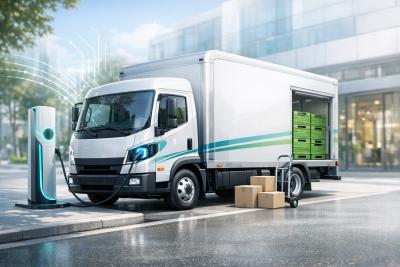
The project involves a collaboration with global electric fleet specialist Zenobē, which will lease the BETs to Woolworths. These electric trucks are set to replace diesel vehicles currently used for home deliveries, thereby contributing to a significant reduction in greenhouse gas emissions.
Gareth Ridge, Country Director of Electric Vehicle Fleets at Zenobē, emphasized the importance of this partnership, stating that the support from CEFC enables the delivery of electric trucks and charging infrastructure for Australia's largest supermarket retailer. He expressed hope that Woolworths' continued investments in EV operations and infrastructure would set an example for other businesses to support the growth of Australia's EV industry.
Transport accounts for approximately 22.3% of Australia's national emissions and is the fastest-growing source of emissions. Without intervention, it is expected to become the largest source of emissions by 2029. The transition to electric trucks presents a substantial opportunity to decarbonize the sector, but challenges such as high upfront costs, insufficient charging infrastructure, and grid integration have hindered widespread adoption.
The CEFC's investment aims to address these challenges by providing financial support that reduces the initial cost barrier for businesses. The 60 BETs financed by the CEFC are part of a broader $19 million project funded by the Australian Renewable Energy Agency (ARENA) and Zenobē, which includes the development of Australia's first off-site multi-user charging hub for BETs in Mascot, NSW.
Woolworths has previously announced its intention to transition its home delivery trucks to electric vehicles by 2030. This initiative aligns with the company's sustainability goals and reflects a growing trend among Australian businesses to adopt cleaner technologies in their operations.
For small to medium-sized enterprises (SMEs) and fleet operators, this development signals a shift in the market towards more accessible and affordable electric vehicle options. As infrastructure improves and financial support becomes more readily available, businesses can consider integrating electric trucks into their fleets to reduce operational costs and contribute to national emission reduction targets.


