
SHARE

Share this news item!

Volvo and Linfox Pave the Way for Australian-Made Electric Trucks

A Landmark Collaboration to Revolutionise Heavy-Duty Transport

Volvo and Linfox Pave the Way for Australian-Made Electric Trucks?w=400

The information on this website is general in nature and does not take into account your objectives, financial situation, or needs. Consider seeking personal advice from a licensed adviser before acting on any information.

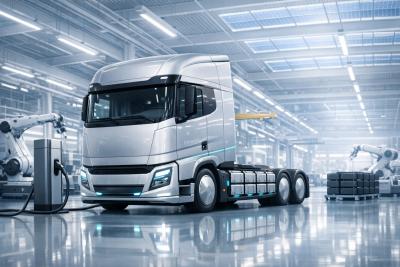
In a groundbreaking development for Australia's transport sector, Volvo Group Australia has announced plans to manufacture the nation's first heavy-duty electric trucks at its Wacol facility in Brisbane.
This initiative is part of a significant collaboration with logistics giant Linfox, which has placed an order for 30 of these innovative vehicles.

The partnership between Volvo and Linfox signifies a major step towards sustainable transport solutions tailored to Australia's unique conditions. By producing electric trucks domestically, the collaboration aims to reduce emissions and enhance the efficiency of heavy-duty transport across the country.

Volvo's commitment to local manufacturing not only supports the Australian economy but also addresses the growing demand for environmentally friendly transport options. The Wacol facility, with its longstanding history in vehicle production, is set to become a hub for electric truck manufacturing, fostering innovation and creating skilled jobs in the region.

Linfox's order includes 29 FM Electric models and one FH Electric model, reflecting the company's dedication to integrating sustainable practices into its operations. This move aligns with global trends towards electrification in the transport industry and positions Linfox as a leader in adopting green technologies.

The introduction of Australian-made electric trucks is expected to have a ripple effect throughout the industry, encouraging other logistics and transport companies to consider similar transitions. As the nation moves towards reducing its carbon footprint, such collaborations between manufacturers and logistics providers are crucial in driving the adoption of cleaner technologies.

For businesses and individuals considering the shift to electric vehicles, this development offers a promising glimpse into the future of transport in Australia. The availability of locally manufactured electric trucks may also influence financing options, making it more accessible for companies to invest in sustainable transport solutions.

In conclusion, the collaboration between Volvo and Linfox marks a significant milestone in Australia's journey towards a more sustainable and efficient transport industry. By embracing electric vehicle technology and supporting local manufacturing, the partnership sets a precedent for future initiatives aimed at reducing emissions and promoting environmental responsibility.

Published:Wednesday, 25th Feb 2026
Source: Paige Estritori

Please Note: If this information affects you, seek advice from a licensed professional.

Share this news item:

Finance News

Volvo and Linfox Pave the Way for Australian-Made Electric Trucks
25 Feb 2026: Paige Estritori
In a groundbreaking development for Australia's transport sector, Volvo Group Australia has announced plans to manufacture the nation's first heavy-duty electric trucks at its Wacol facility in Brisbane. This initiative is part of a significant collaboration with logistics giant Linfox, which has placed an order for 30 of these innovative vehicles. - read more
CEFC and Volvo Join Forces to Fast-Track Electric Truck Adoption in Australia
25 Feb 2026: Paige Estritori
In a significant move towards sustainable transportation, the Clean Energy Finance Corporation (CEFC) has partnered with Volvo Group Australia to introduce a $70 million financing package aimed at accelerating the adoption of electric trucks across the nation. This initiative is designed to address financial barriers that have traditionally hindered the uptake of electric heavy vehicles. - read more
