
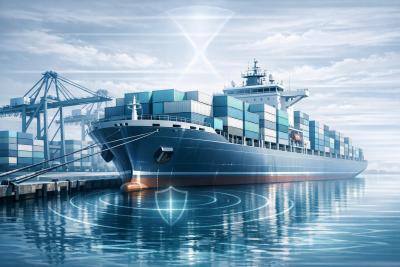
The strategic fleet was intended to consist of Australian-flagged and crewed vessels that could be requisitioned by the government or the Australian Defence Force during national emergencies. These ships would continue commercial operations under civilian crews but remain available for government use when needed. The government had committed $21.7 million over five years for this initiative, with an initial plan to announce the first three ships in early 2025. However, as of December 2025, no such announcement has been made.
Angela Gillham, Chief Executive of Maritime Industry Australia Ltd, expressed frustration over the delays but remains confident in the government's commitment to the project. She noted that the process is subject to strict probity requirements, limiting the information available about the tender process.
The delay comes at a time when Australia relies heavily on foreign-flagged ships, with only a handful of Australian-crewed vessels in operation. This dependence raises concerns about the nation's ability to maintain secure and resilient maritime trade routes, especially during global crises or conflicts that could disrupt international shipping.
For stakeholders in the maritime and shipping industries, the postponement of the strategic fleet development underscores the need for proactive measures to enhance Australia's maritime security. Investing in domestic shipping capabilities, supporting the training and employment of Australian mariners, and fostering collaboration between the government and private sector are essential steps toward achieving a more resilient maritime infrastructure.
In conclusion, the delays in establishing Australia's strategic fleet highlight critical vulnerabilities in the nation's maritime security and trade resilience. Addressing these challenges requires a concerted effort from both the government and industry stakeholders to ensure that Australia can effectively respond to future maritime emergencies and maintain secure trade routes.


