
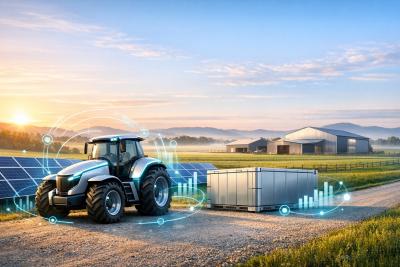
The report, commissioned by Farmers for Climate Action and prepared by energy researcher Professor Ray Wills, frames electrification as a pathway to reduce long-term exposure to diesel price shocks and strengthen regional energy independence. It suggests biofuels may still have a bridging role for existing tractors, harvesters and remote operations, but sees electric systems as the more durable long-term direction as machinery technology matures.
For farm businesses, the practical takeaway is that electrification will not be a single purchase decision. It may involve staged investment in electric utes, smaller mobile plant, stationary equipment, solar generation, battery storage and eventually heavier machinery. That changes the way farmers may need to think about compare financing options, because the asset being financed could increasingly include both the machine and the energy system that keeps it running.
The transition also raises timing questions. Many large broadacre operations will not be ready to swap diesel-powered seeding and harvest fleets immediately. Availability, charging capacity, paddock logistics and downtime risk all need to be tested carefully. However, lower-risk starting points may include workshop equipment, pumps, short-range vehicles and other assets that return to a central charging point. These investments can help a business build experience before committing to heavier electric machinery.
Another point for borrowers is residual value. As electric farm equipment becomes more common, lenders and buyers will pay close attention to battery condition, service support, software access and brand backing. That means the cheapest upfront asset may not deliver the best whole-of-life result. Farmers should consider maintenance expectations, charging infrastructure, warranties and the likely trade-in pathway before signing contracts.
The report also canvasses policy change, including a proposed cap on very large Fuel Tax Credit Scheme claims and redirecting savings towards regional energy transition support. Whether or not that proposal advances, it signals that diesel-reliant business models may face more scrutiny over time.
For now, the best approach is measured, not rushed. Farmers considering electrified machinery should review cash flow, seasonal income patterns and replacement priorities, while modelling repayments under different energy-cost assumptions. Electrification may still be emerging, but finance planning for it should start well before the next major machinery upgrade.



No comments yet. Be the first to share your thoughts.