
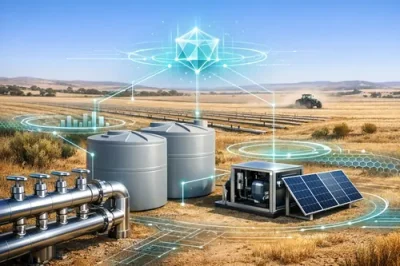
For farm businesses, this type of investment can be harder to assess than a single tractor or header purchase. Water upgrades often involve multiple assets, site works, electrical or solar components, freight, installation and commissioning. The final project cost can move quickly, especially where a farm is trying to improve water security across several paddocks or connect new storage into an older system.
That makes timing and structure important. A well-planned upgrade may reduce labour, lower water losses, improve grazing flexibility and protect productivity during dry periods. However, if the finance term, repayment frequency or balloon payment is poorly matched to farm income, the same investment can place avoidable pressure on working capital.
Producers considering irrigation systems or broader water infrastructure should look beyond the purchase price and ask several practical questions:
- Will the upgrade generate measurable savings in labour, fuel, repairs or water use?
- Does the equipment have a useful life that matches the proposed finance term?
- Can repayments be aligned with livestock sales, grain income or other seasonal cash-flow points?
- Are installation, freight, approvals and contingency costs included in the borrowing amount?
- Could a staged upgrade reduce risk compared with financing the entire project at once?
The current focus on water security also reinforces the value of comparing new and used equipment carefully. Used pumps, tanks or irrigation components may reduce the upfront cost, but condition, compatibility and expected maintenance need to be factored into the equation. A cheaper item that requires frequent repairs may not improve cash flow once downtime and replacement parts are considered.
Before committing, farmers can estimate repayments under different deposit, term and residual assumptions. This helps show whether a proposed upgrade remains manageable if seasonal income is delayed or if operating costs rise.
The bigger lesson is that water resilience is becoming part of long-term machinery planning. For many enterprises, the next productivity gain may not come from more horsepower, but from the infrastructure that keeps paddocks, stock and crops operating when conditions tighten.



No comments yet. Be the first to share your thoughts.